

Prohori — anonymous community help requests
Bengali-language Android app for posting or offering help anonymously, searchable by location.
A Bengali App Built to Help People Help Each Other During COVID-19
Prohori (প্রহরী) means “Guardian” in Bengali — a name that perfectly captured the purpose of the app.
I developed Prohori as an Android application during the COVID-19 pandemic, with one simple goal: help people help each other.
During the pandemic, many people needed assistance with everyday necessities, emergencies, medicines, food, transportation, and other urgent needs. At the same time, there were people willing to help but no simple way to connect them with those who needed support.
Prohori was created to bridge that gap.
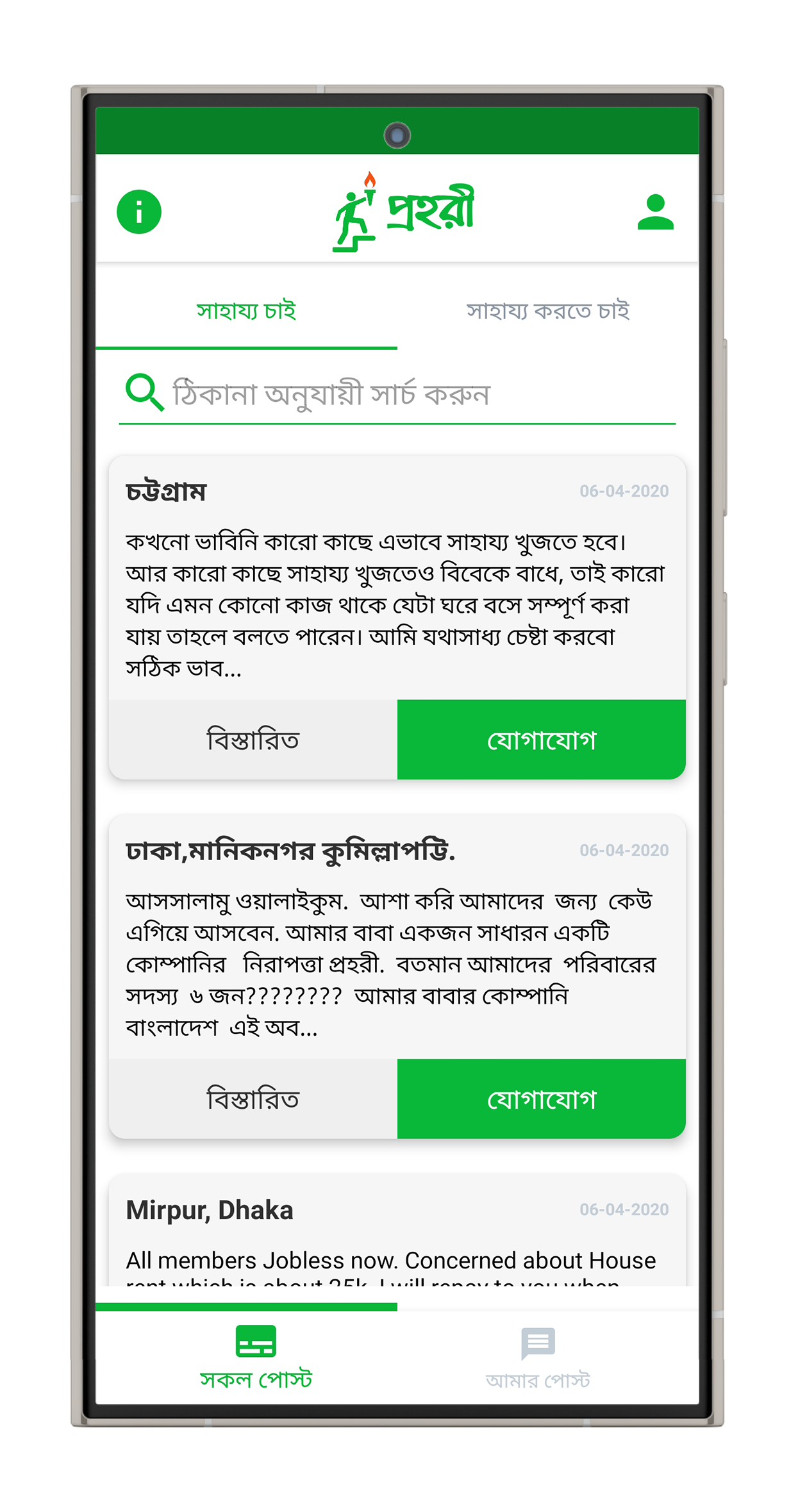
Designed entirely in Bangla, the app provided a simple community-driven platform where people could anonymously post that they needed help or let others know that they were willing to help.
It was a completely non-commercial project — no advertisements, subscriptions, or revenue model. It was built simply as a way to encourage people to support one another during an exceptionally difficult time.
How Prohori Worked
The concept was intentionally simple.
Users could choose between two sides of the community:
Need Help
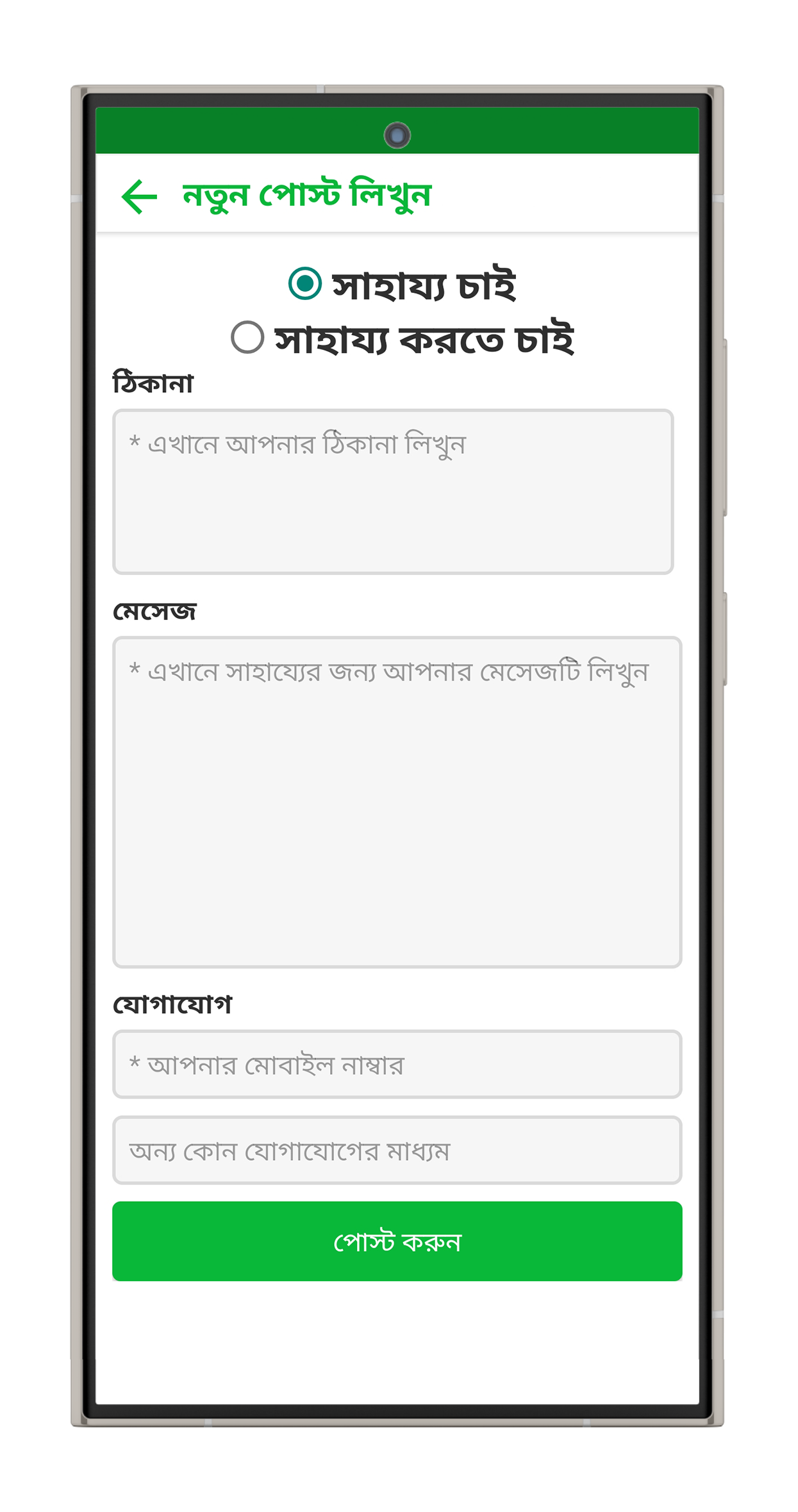
Someone who needed assistance could create a post describing what they needed and where they were located.
Want to Help
People who were willing to help could browse requests and find people in their area who needed assistance.
This created a simple connection between someone asking for help and someone willing to provide it.
Posts could be browsed by location, making it easier for people to find nearby requests rather than searching through a large list of unrelated posts.
Users could also choose to share their contact information, allowing a volunteer to get in touch directly with a single tap.
The challenge
The biggest challenge wasn’t simply building an app — it was building something that people could actually use during a crisis.
Many potential users were not particularly tech-savvy, and people asking for help could understandably be uncomfortable publicly revealing their identity.
The app therefore needed to balance simplicity, privacy, accessibility, and trust.
Privacy
People in difficult situations needed to be able to ask for help without unnecessarily exposing their identity.
Simple Access
The registration process needed to be quick and familiar. Instead of requiring an email address and password, users could register using their phone number and SMS OTP verification.
Trust & Safety
An open community platform can attract spam or misuse, so the system included server-side controls that allowed problematic accounts to be blocked.
Finding Nearby Help
A request is much more useful when someone nearby can respond. Location-based filtering made it possible to discover help requests within a user’s area.
The approach
I designed Prohori around a simple idea:
Make it as easy as possible for people to find each other and help each other.
Two Simple Feeds
The app separated the experience into two clear sections:
“Need Help” and “Want to Help.”
This made the purpose of each post immediately understandable.
Anonymous Help Requests
Users could describe their needs and location without having to publicly expose unnecessary personal information. Contact details could be shared when someone wanted to respond.
One-Tap Contact
Once a volunteer decided to help, direct calling made it possible to connect quickly without complicated messaging workflows.
Phone-Based Registration
Firebase SMS OTP authentication removed the need for email registration and made onboarding much more familiar for the target audience.
Location-Based Discovery
Users could filter requests by area, helping connect people within the same neighborhood or locality.
Simple Moderation
A server-side moderation mechanism allowed administrators to block problematic accounts and keep the community safer without creating a complicated reporting system.
The outcome
Prohori was launched as a fully functional Android application and made available to the Bengali-speaking community during the COVID-19 pandemic.
The project demonstrated how a relatively simple digital platform could be designed around a very human problem: people needing help and other people wanting to provide it.
Through the project, I was able to:
- Build and deploy a complete Android application for a real-world social need.
- Design the entire user experience in Bangla for Bengali-speaking users.
- Implement phone-based authentication using SMS OTP.
- Build a community-driven posting and discovery system.
- Implement location-based filtering.
- Integrate direct phone calling for faster communication.
- Build REST API communication between the Android app and backend.
- Implement basic moderation and account management.
- Use Firebase Crashlytics and Analytics to monitor the application.
- Create a completely free, non-commercial platform focused on community support.
A Project Made for the Pandemic
Prohori was created specifically for the COVID-19 pandemic.
As the pandemic eventually came to an end, the circumstances and immediate need that inspired the application also changed. The app is therefore no longer actively maintained or distributed.
But the idea behind it remains meaningful.
Prohori wasn’t built to generate revenue, collect subscriptions, or serve advertisements. It was built around a simple belief:
If one person needs help and another person is willing to help, technology should make it easier for them to find each other.
For me, Prohori remains one of those projects where the purpose mattered just as much as the technology.

- TypePersonal project
- PlatformAndroid
Screens

More like this
 Client
iOS
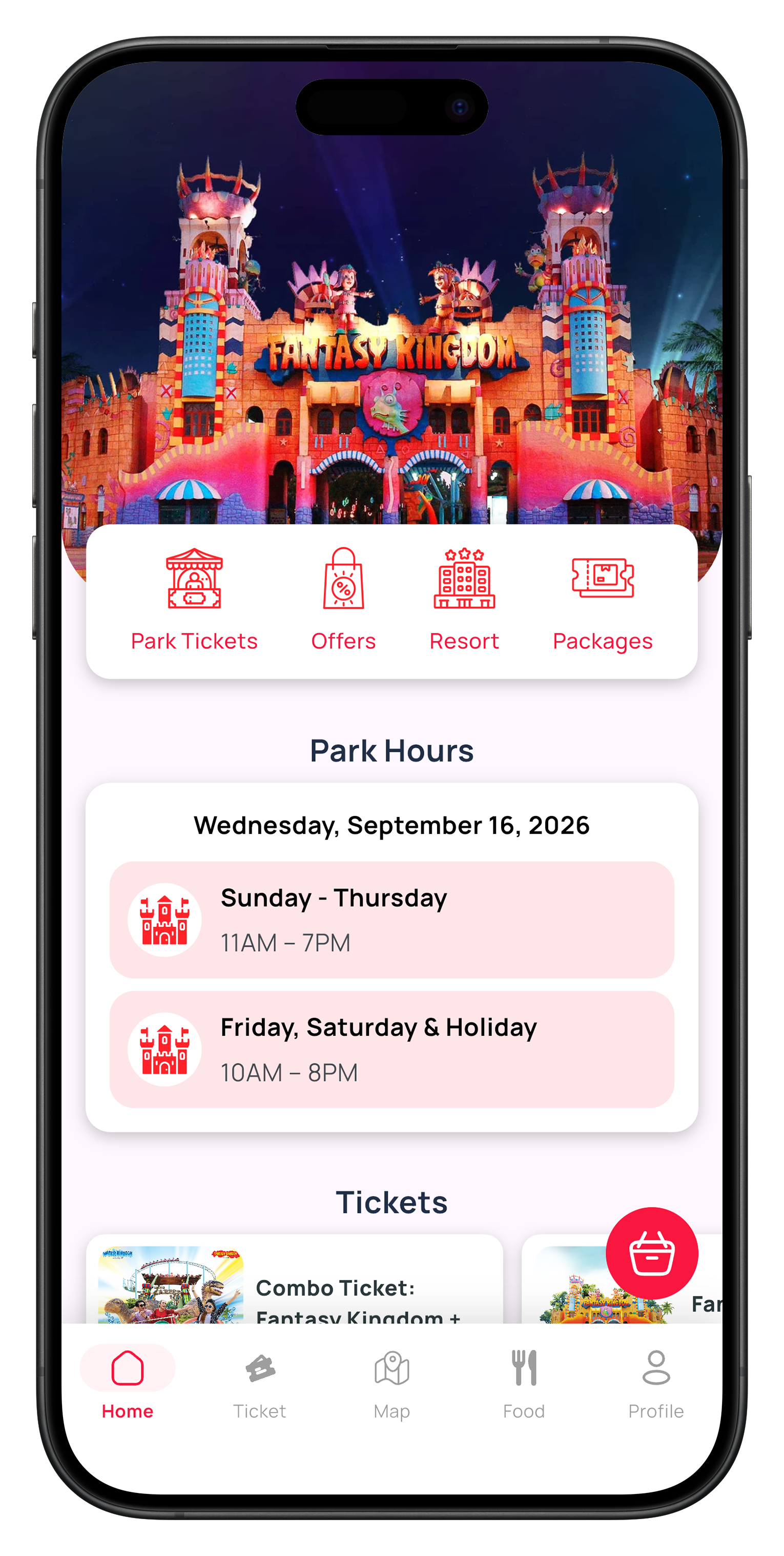
Fantasy Kingdom — amusement park ticketing app
The first amusement-park app built for iOS in Bangladesh, alongside its Android counterpart.

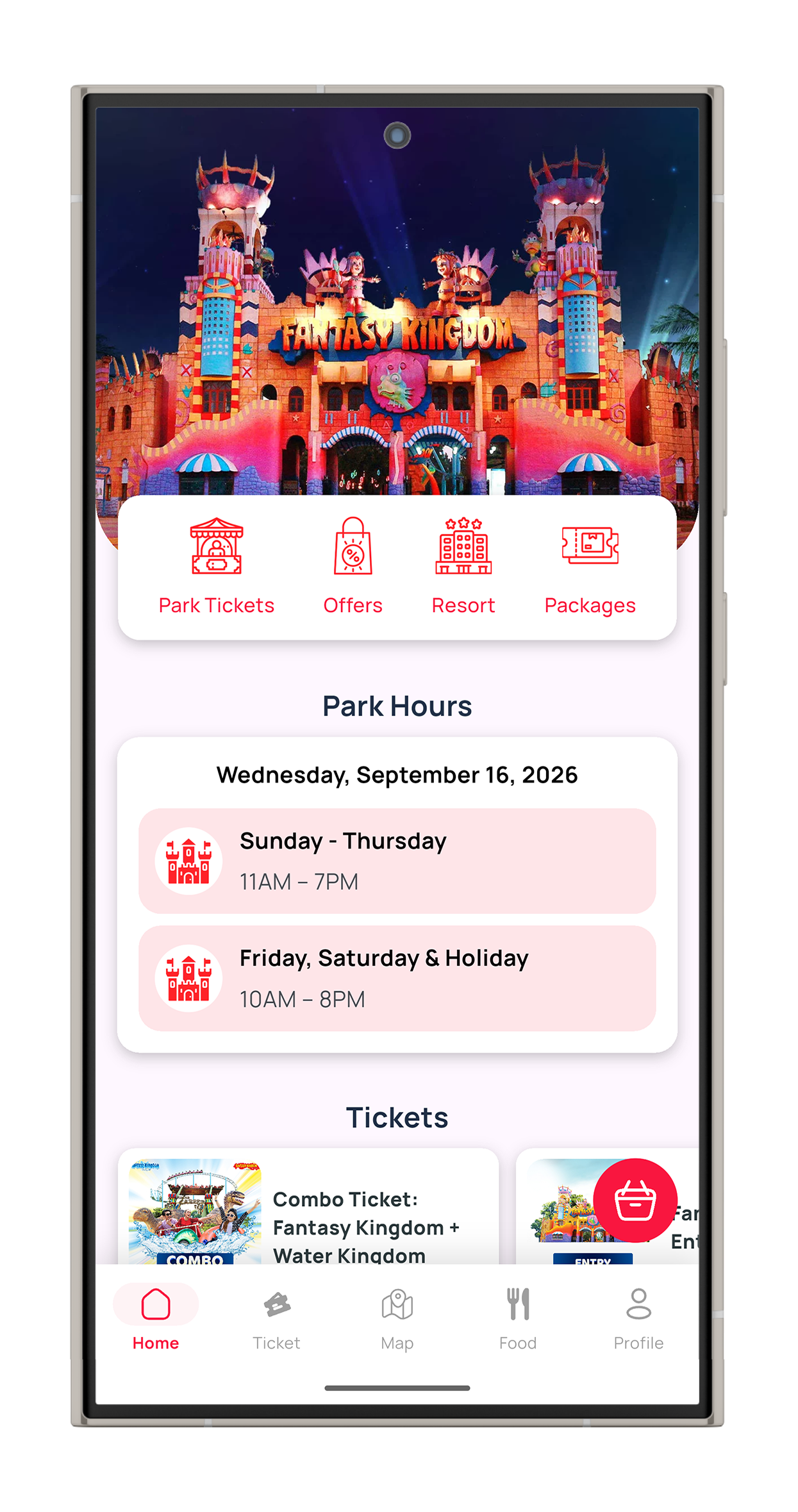 Client
Android
Fantasy Kingdom — amusement park ticketing app
The first amusement-park app built for iOS in Bangladesh, alongside its Android counterpart.

 Client
Android
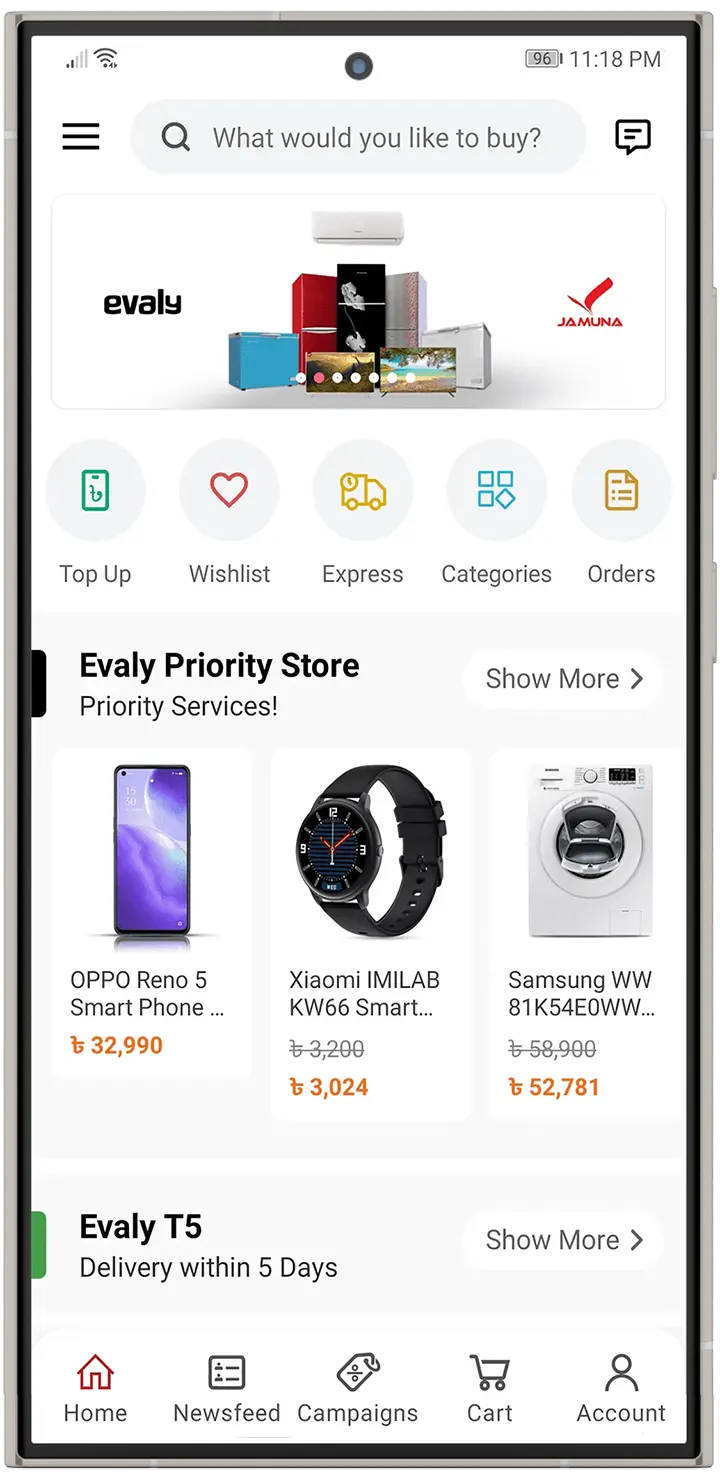
Evaly — online marketplace app
Android shopping app for one of Bangladesh's most popular online marketplaces.